"AI is unlikely to replace qualified artists, but it is already shifting what artists spend their time on and which skills studios value most. AI tools for artists handle repetitive tasks such as background generation and colour correction, freeing skilled creatives to focus on storytelling, character design, and direction. Artists who understand both the craft and the technology are better positioned to lead in this changing industry."
AI is changing creative work, but that does not make qualified artists irrelevant. The more realistic future is one in which artists use AI selectively, while human experience and creative intent steer the final result.
Here is what AI means for artists:
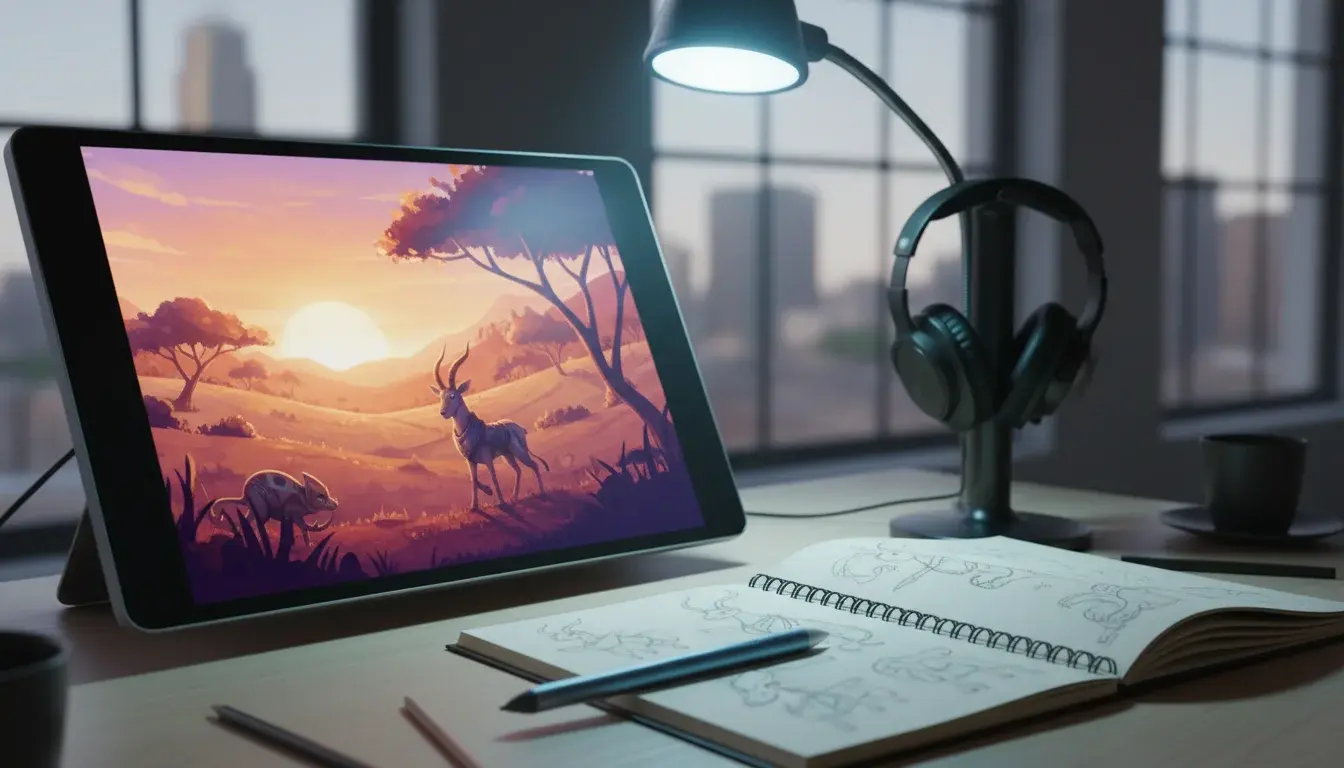
- AI can speed up colour testing, background texturing and early mock-ups.
- Generative tools can support brainstorming through quick layouts and visual starting points.
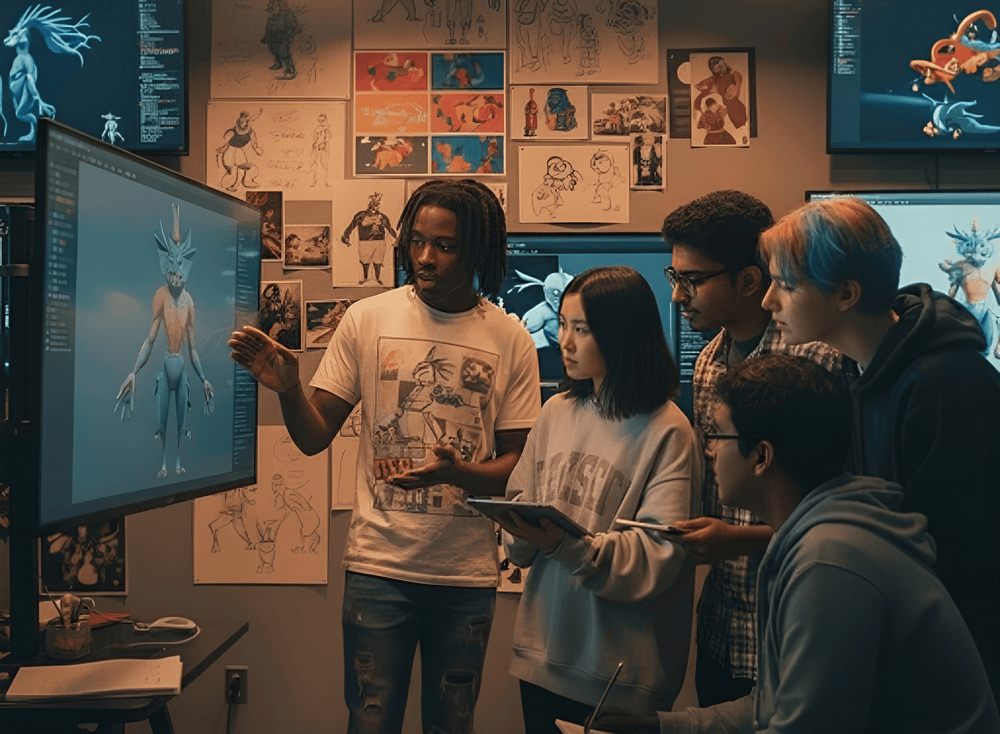
- Artists may gain more time for concept development, character work and creative direction.
- Entry-level roles may face greater pressure as routine production tasks become easier to automate.
- Copyright, consent, training data and authorship remain important concerns in commercial use.
The key difference is between generating an image and making purposeful creative decisions. AI can produce options quickly, but trained artists understand why a pose works, how composition guides attention and what makes a character believable.
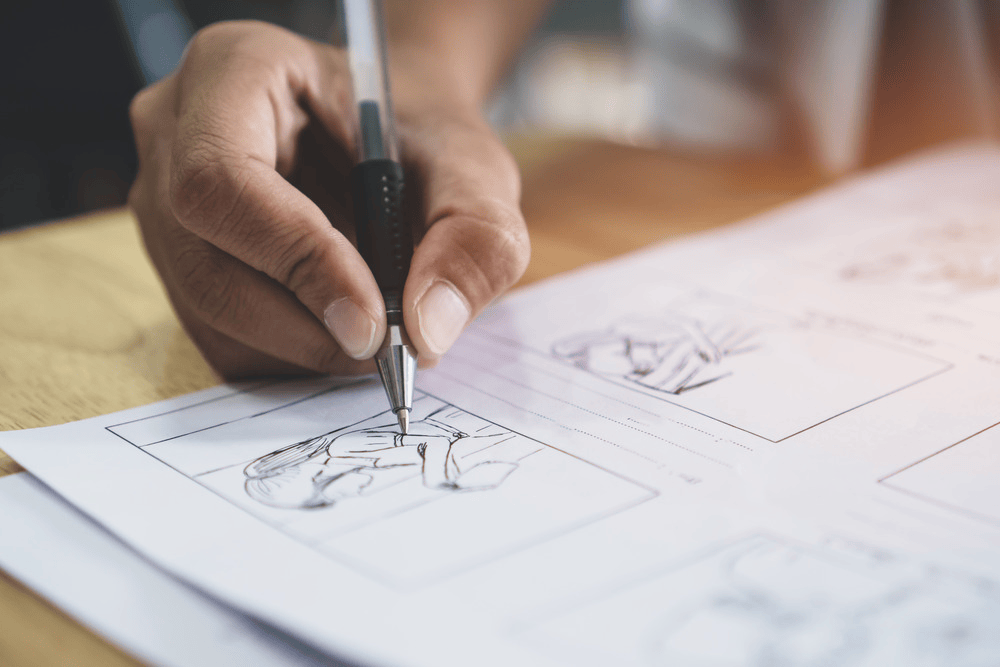
That is why creative fundamentals still matter. Artists who understand drawing, design, storytelling, animation principles and production pipelines are better equipped to evaluate and identify weaknesses and ensure the tool genuinely improves the work.
For aspiring artists, the biggest advantage will come from combining strong creative fundamentals with an understanding of how new tools fit into professional workflows. Skills such as drawing, composition, character design, storytelling, animation principles and visual problem-solving can’t be automated because they depend on judgement and intent. AI literacy can complement those abilities by helping artists test ideas, explore variations and reduce repetitive production work. The goal is to develop the creative judgement needed to decide what works, what does not and what ultimately belongs in the final piece.