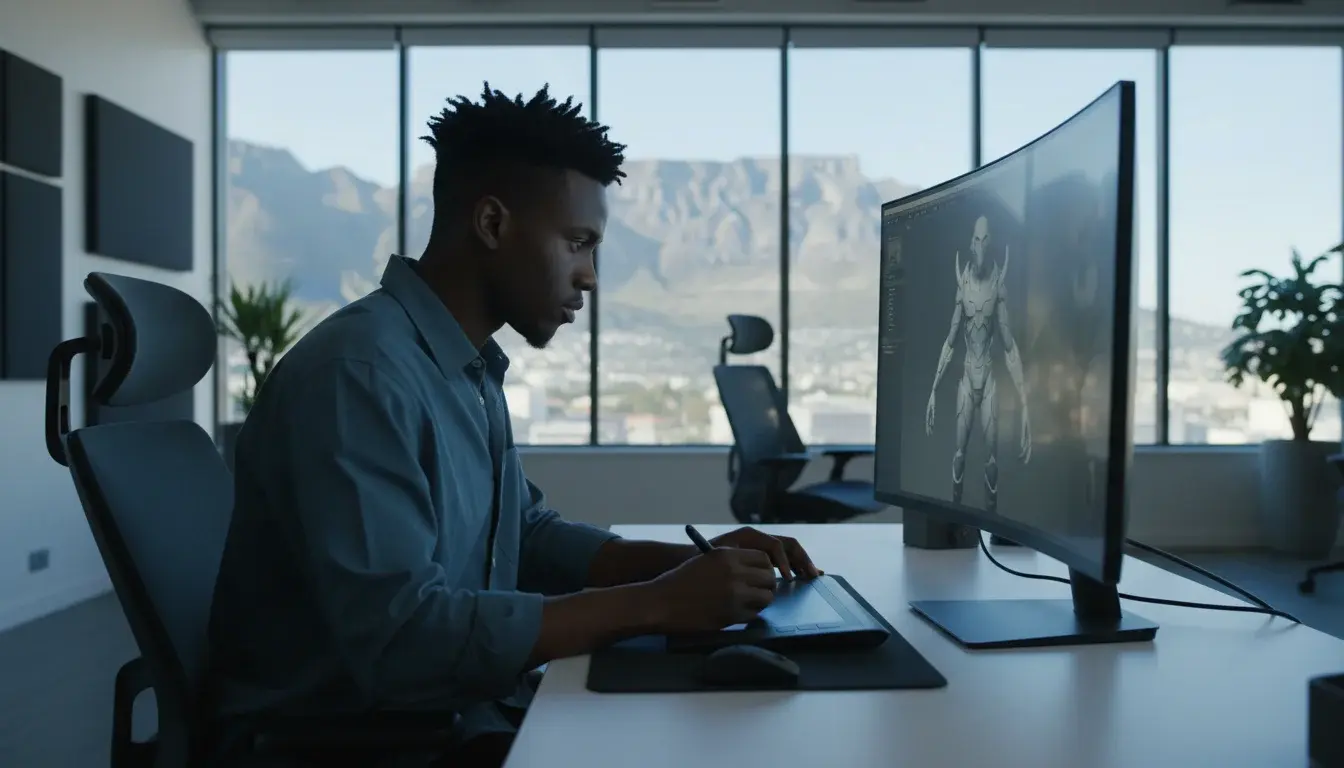
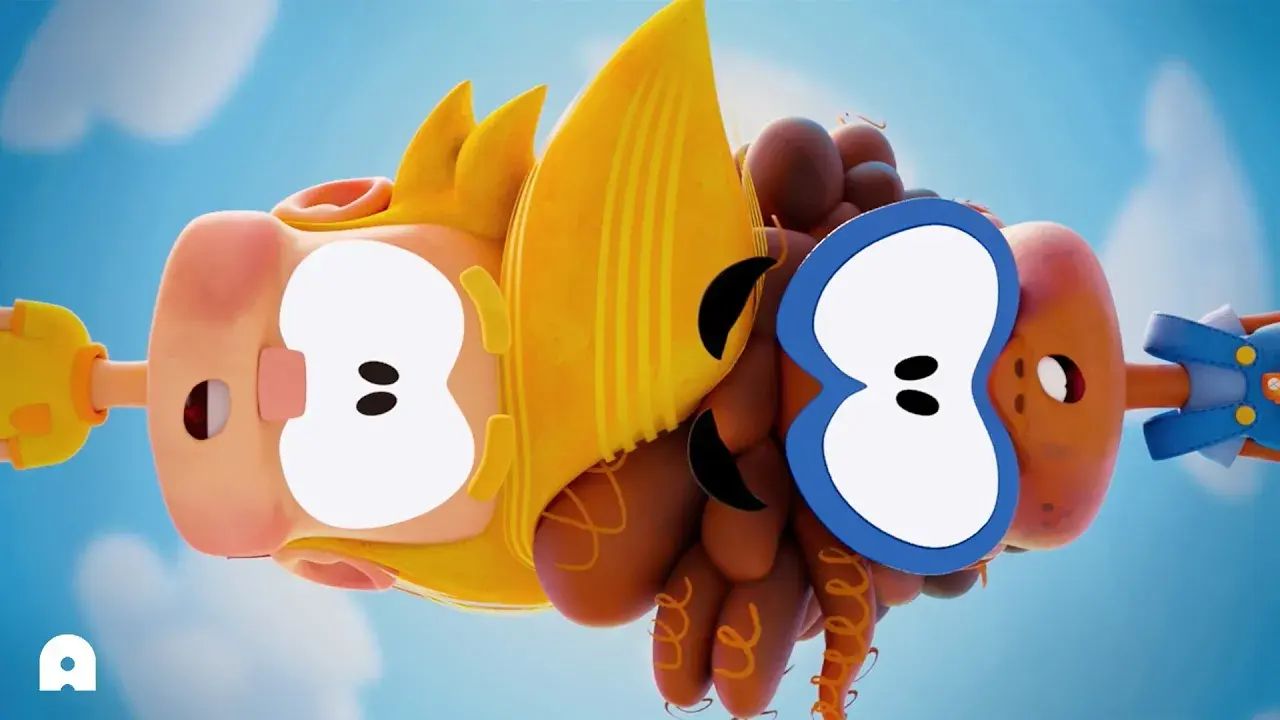
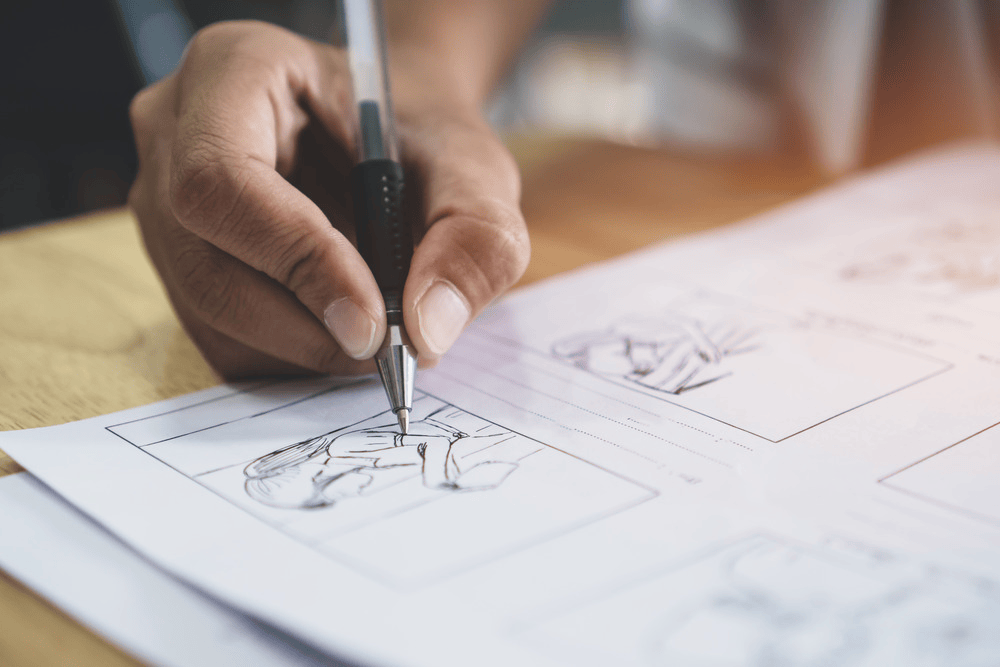
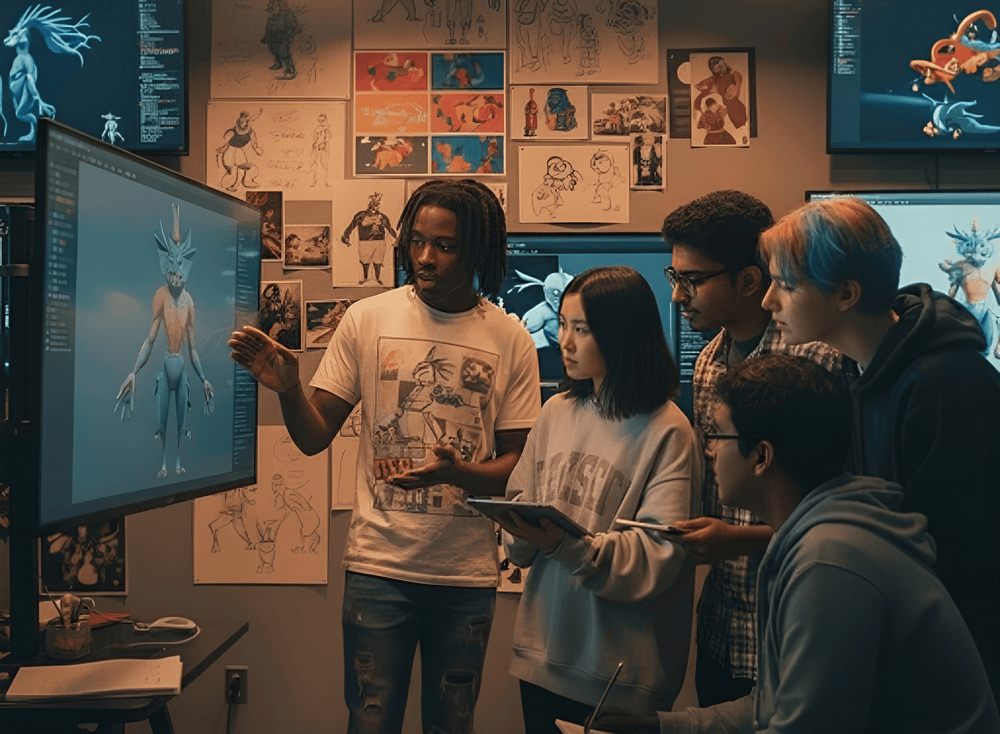
"The future of animation production with AI points toward faster pipelines, more creative freedom, and evolving roles for animators across every stage of production. AI tools are already handling repetitive tasks such as in-betweening, lip-sync, and background generation, freeing artists to focus on storytelling and character performance."
AI is already finding practical uses across the animation pipeline. Rather than replacing the artist, these tools can assist with early concepts, technical processes and time-consuming production tasks.
Here is where AI is having the biggest impact:
- AI-assisted previsualisation can help artists test shot ideas, camera angles and scene blocking before full production begins.
- Denoising and automated tracking tools can reduce time spent on technical clean-up and motion capture workflows.
- AI can support rapid asset prototyping, helping teams explore concepts and 3D block outs earlier in production.
- AI tools can help develop visual ideas, enabling rapid brainstorming and exploring early stylistic variations of the artist’s vision
- Artists remain essential for character consistency, narrative intent and believable emotional performance.
AI also has important limitations. Generative systems can struggle with frame-to-frame consistency and the precise control required for long-form animation. Copyright, training data, intellectual property and brand identity are also influencing how studios approach these tools.
For future animators, strong creative fundamentals matter more than ever. Understanding movement, performance, visual storytelling and production pipelines gives artists the foundation to use new technology with purpose.
The Animation School is building these realities into its curriculum. If you want to shape your future in an industry where AI and artistry work side by side, explore the Diploma in Digital Animation or browse Animation Short Courses to find the right starting point. Start your application today.